PlanningJuly 11, 20267 min read
The best time to visit Ethiopia: a complete seasonal guide
Ethiopia is a year-round destination, but the right month depends on where you are going and what you want to see. Here is how the seasons work.

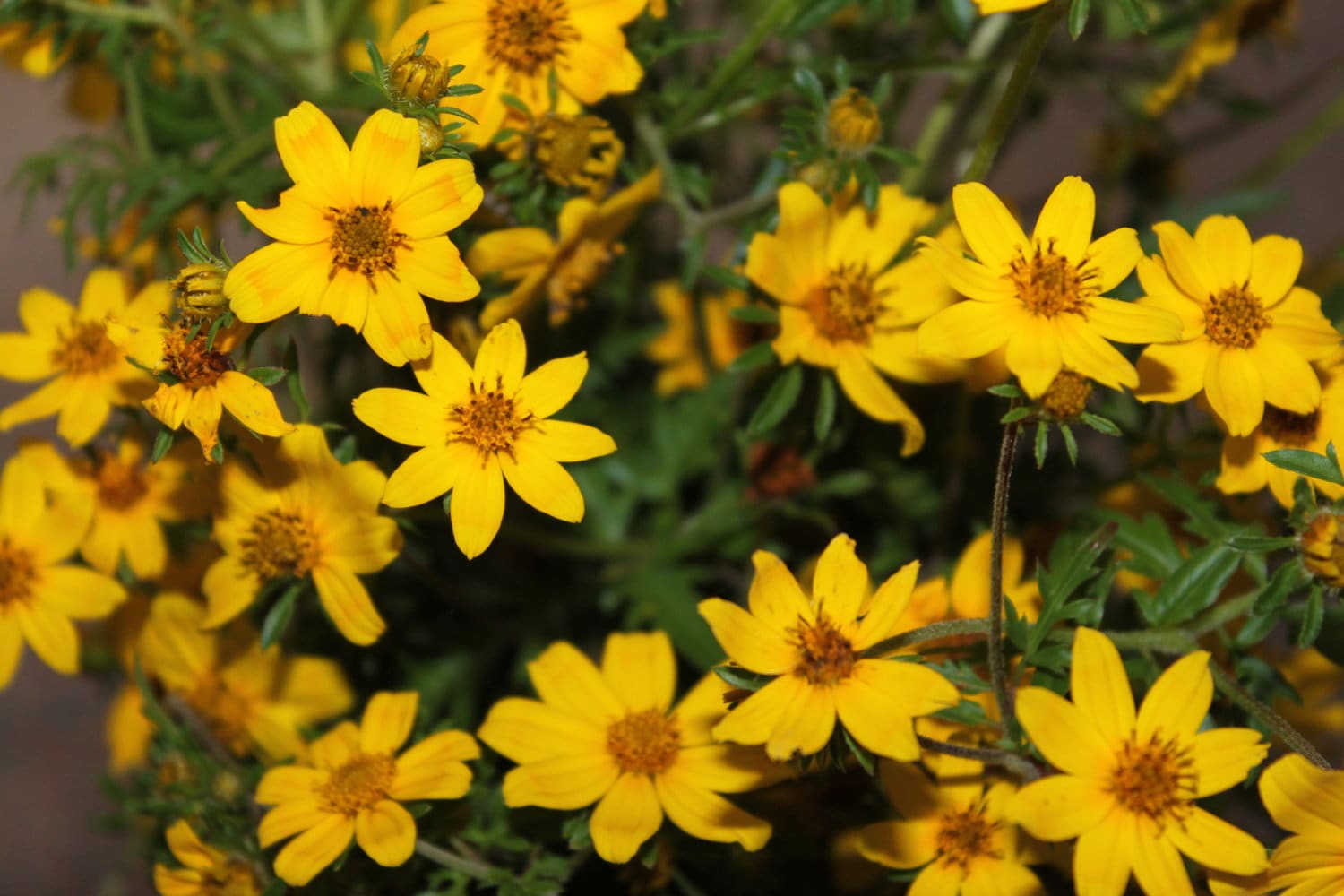
Ethiopia is a year-round destination, yet choosing the right time can transform a journey. A country that runs from more than 100 metres below sea level in the Danakil to over 4,500 metres in the Simien Mountains does not have one climate: it has several. Understanding them is the key to planning well.
The year divides into three broad seasons. Bega, the dry season from October to January, is widely considered the best time to visit: sunny, comfortable and ideal for sightseeing, trekking, wildlife and photography. Belg, the short rains from February to May, brings occasional showers but keeps most destinations accessible, with greener landscapes and fewer visitors. Kiremt, the main rainy season from June to September, brings heavy rain to the highlands, and with it the most dramatic, lush scenery of the year.
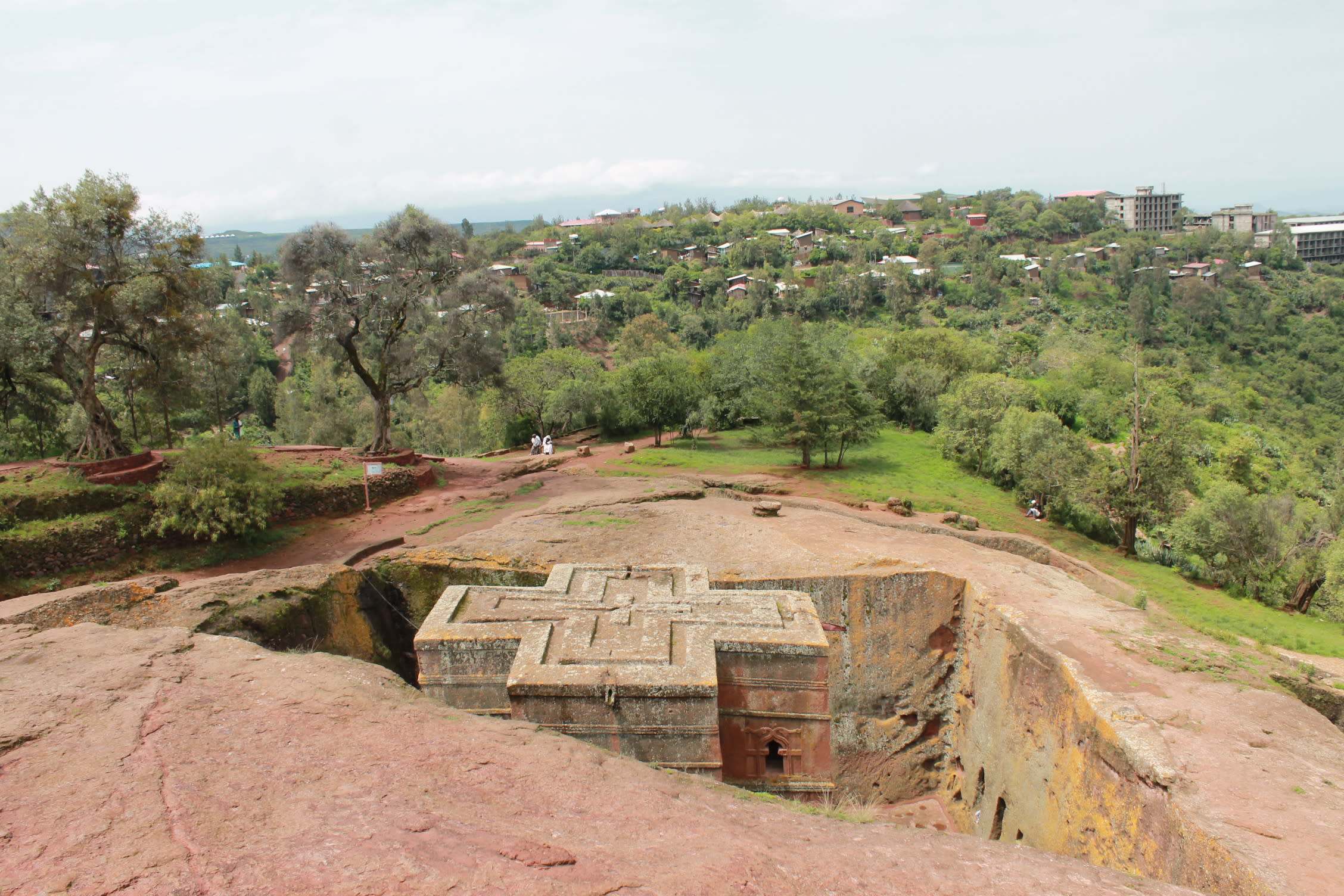
For the Historic Route (Lalibela, Gondar, Axum, Bahir Dar and the monasteries of Lake Tana), you can travel from September through July. October to March brings the clearest skies and pleasant temperatures, while September and the months after Easter are greener and quieter. Lalibela is at its finest from October to February, and January adds two of the world’s great religious spectacles: Genna (Ethiopian Christmas) on 7 January and Timkat (Epiphany) on 19 January.
Trekkers can walk the Simien Mountains from September to June, with the clearest views and driest trails from October to March, and should aim for November to April in the Bale Mountains, when the chances of seeing the Ethiopian wolf are at their best. Birdwatchers will find September to April rewarding across the country’s parks and wetlands, with migrant species joining Ethiopia’s many endemics.
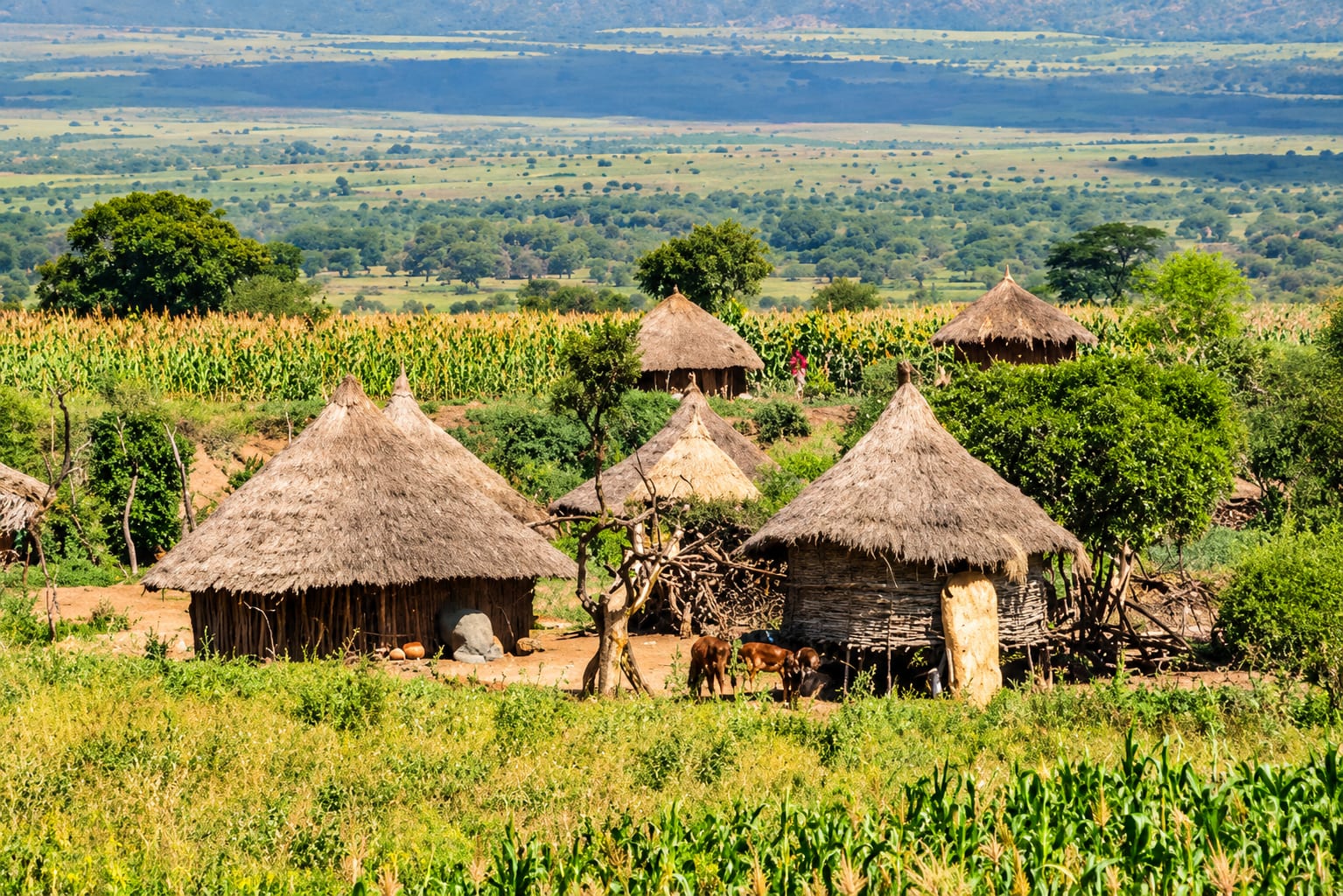
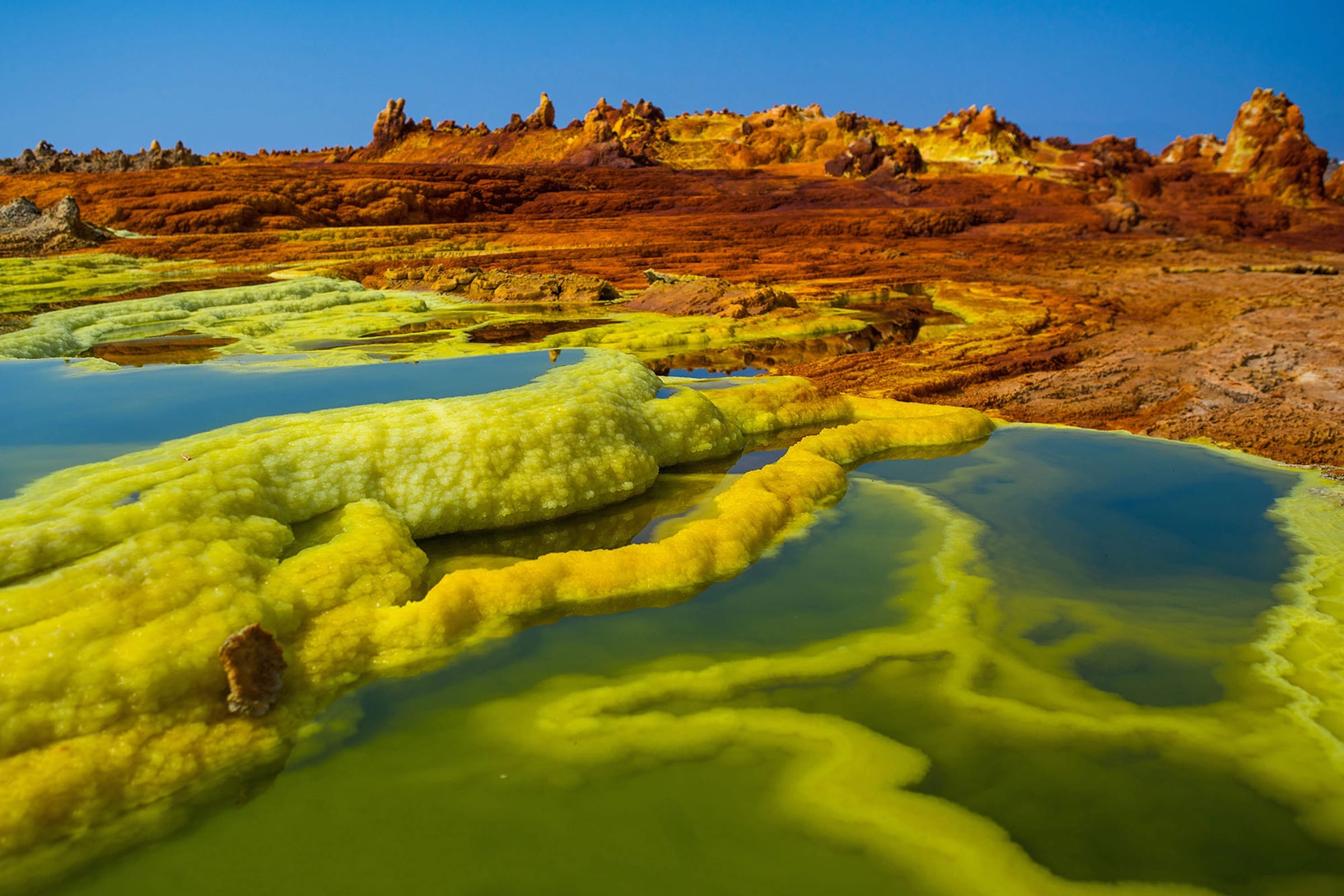
The Omo Valley can be visited year-round except during the April and May rains, when roads become difficult and remote villages harder to reach. The Danakil Depression should only be visited in the cooler months, from November to March; between April and October temperatures regularly exceed 45 °C.
Festivals deserve a place in any plan. Meskel, with its great Demera bonfires, falls on 27 September; Genna on 7 January; Timkat on 19 January. Accommodation in Lalibela and Gondar fills months in advance around these dates.
In short: October to January is the best overall season; February to April is excellent for trekking and wildlife with fewer visitors; May and June bring green landscapes and good value; and July to September, while wet in the north, offers beautiful scenery and quiet sites for photographers.
Whatever the month, pack layers for cool highland evenings, comfortable walking shoes and sun protection, book early for festivals, and travel with an experienced local operator in remote regions. For most travellers, September through July offers a good season somewhere in Ethiopia, and we will match your route to the months you have.
Written by Zelalem, travel writer. Questions about any of the above are always welcome, write to us.
In This Article
- Lalibela travel guide
- Simien Mountains travel guide
- Danakil Depression travel guide
- Timkat (Epiphany) travel guide
Tours that visit Lalibela
More From The Travel Journal
Also worth your time
Discover Ethiopia. Experience the Extraordinary!
Ready to see it for yourself?
Every essay here comes out of a journey we designed for someone. Tell us what you want yours to feel like.
Or call us directly on +251 912 039405