PlanningAugust 21, 20269 min read
Travel in Ethiopia: the ultimate guide to exploring the Land of Origins
Where to go, what to do, what to eat and how long you need: everything to plan your first journey through Ethiopia.

Ethiopia offers an extraordinary combination of ancient history, diverse cultures, spectacular landscapes, wildlife and hospitality. From the rock-hewn churches of Lalibela and the ancient kingdom of Aksum to the Simien Mountains, the Omo Valley and the otherworldly Danakil Depression, it holds experiences that are difficult to find anywhere else in Africa. UNESCO recognises twelve World Heritage properties here, from Lalibela, Aksum and Gondar to Harar, the Lower Omo, the Simien and, since 2023, the Bale Mountains.
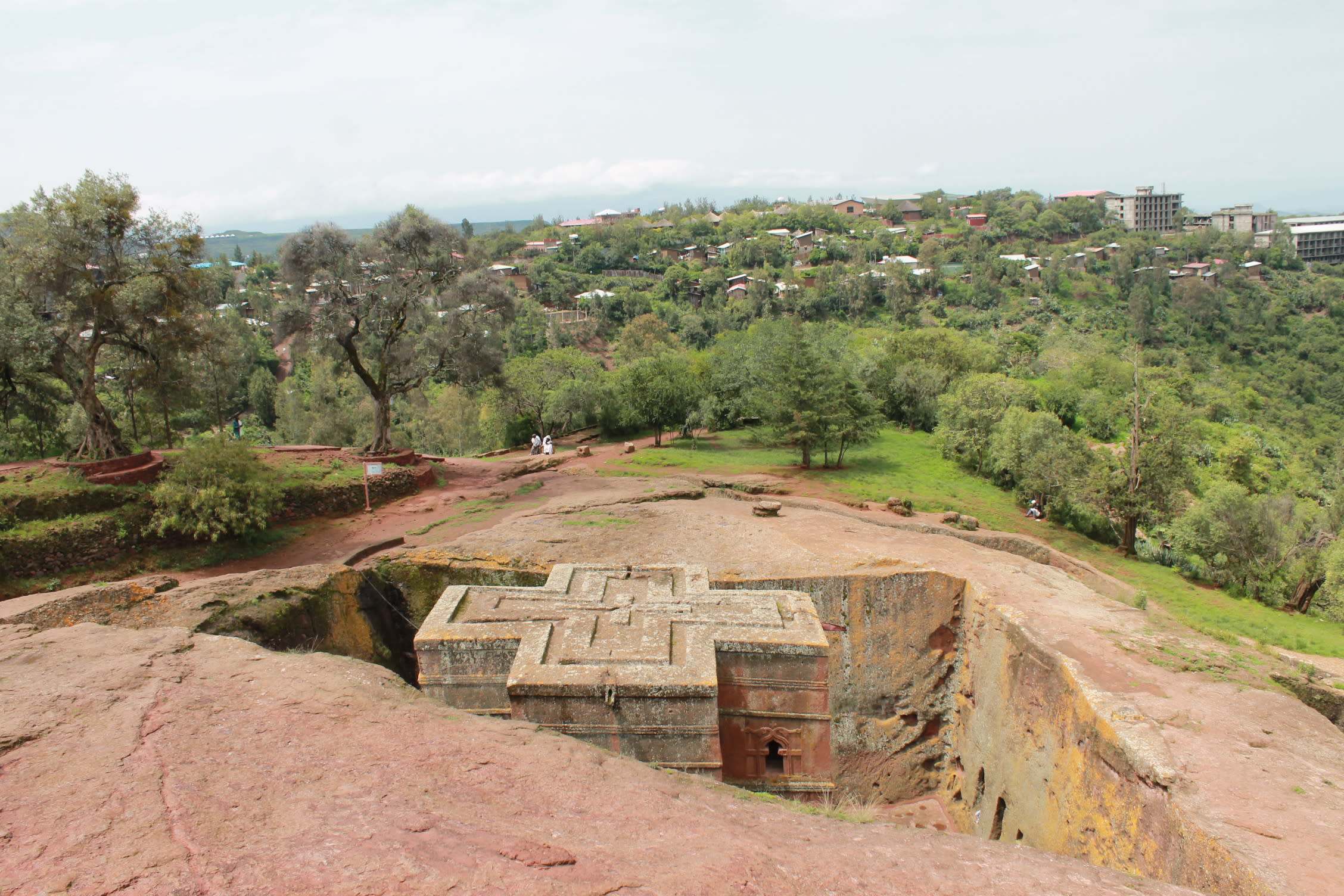
Most journeys begin in Addis Ababa, where the National Museum, cathedrals, Merkato and the forested hills of Entoto make an excellent introduction. In the north, Lalibela is the highlight of almost every itinerary, its eleven medieval churches connected by tunnels and courtyards. Gondar, the “Camelot of Africa”, is the gateway to the Simien Mountains, whose cliffs and endemic wildlife make them one of Africa’s great trekking destinations. Aksum takes you back to one of the ancient world’s great kingdoms, and Bahir Dar opens the monasteries of Lake Tana and the Blue Nile Falls.
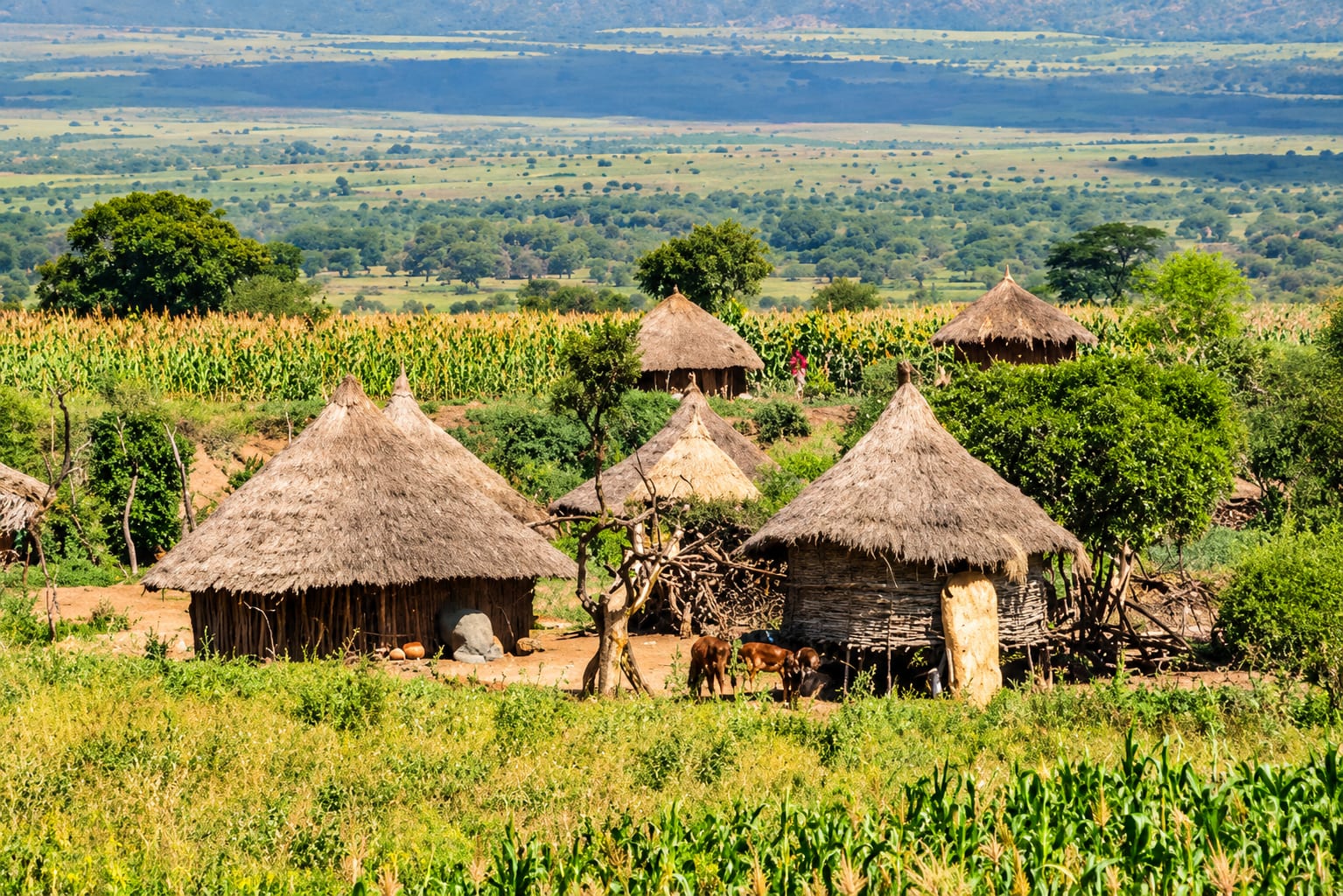
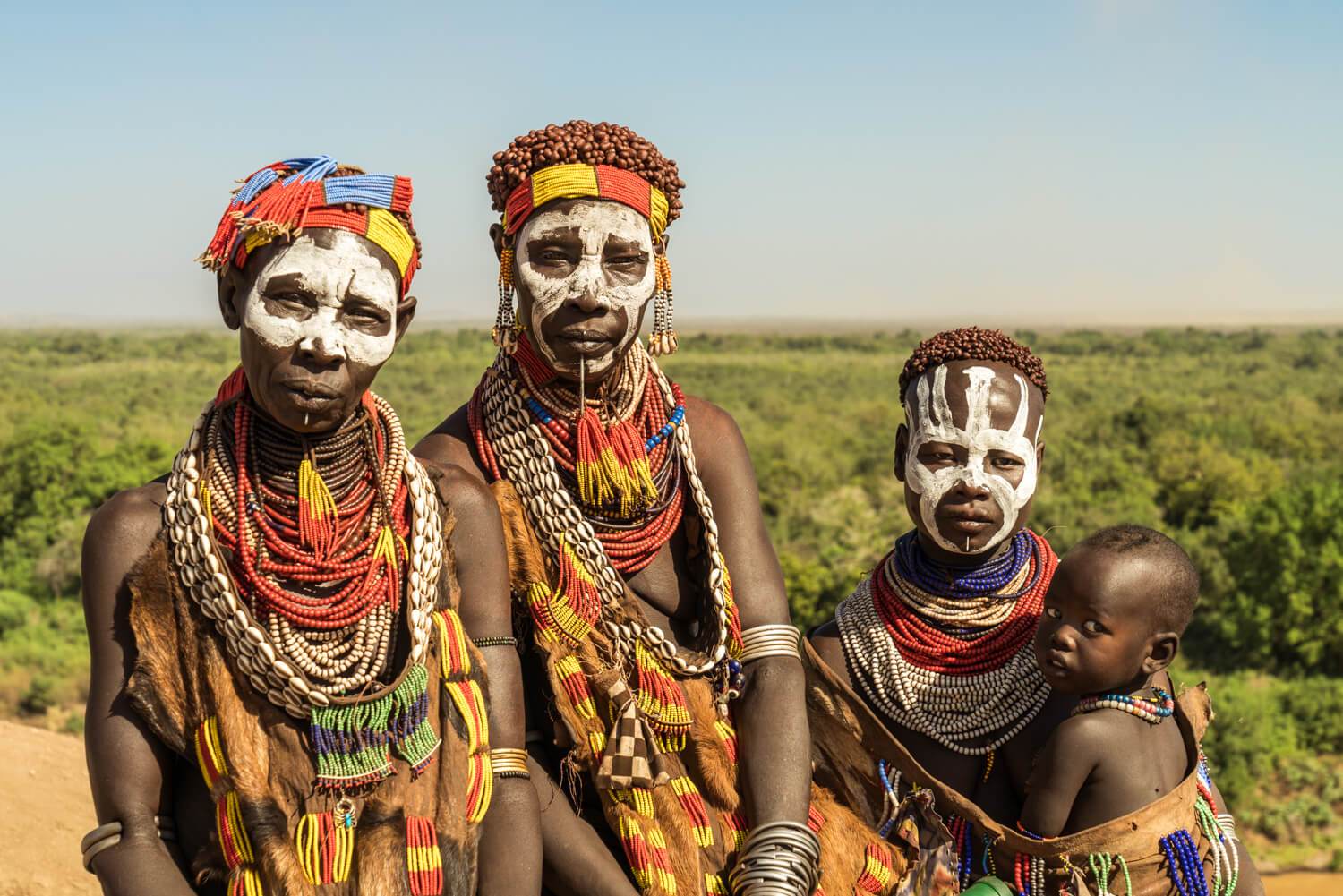
In the south, the Omo Valley is home to diverse communities with distinctive traditions and is best visited with experienced local guides. The Danakil Depression, in the Afar region, is a land of salt flats, volcanoes and coloured mineral springs that requires careful planning. The Bale Mountains offer Afro-alpine plateaus, cloud forest and the Ethiopian wolf, and in the east the walled city of Harar provides a completely different cultural experience, easily combined with Dire Dawa and Awash National Park.
There is plenty to do beyond sightseeing: trekking in the Simien, Bale and Gheralta mountains or on community routes around Lalibela; watching wildlife such as gelada, walia ibex and mountain nyala; joining a coffee ceremony or visiting the coffee lands of the south; and experiencing festivals such as Timkat, Meskel, Genna, Enkutatash and Fasika. Book early around festivals, as popular dates attract many visitors.
Food is a highlight in itself. Injera, the fermented teff flatbread, is served with stews such as doro wat, shiro and misir wat, alongside tibs, kitfo and firfir. Vegetarian and vegan travellers are well looked after, especially during the many fasting days when restaurants offer plant-based menus.
How long do you need? Three to five days allow Addis Ababa and one major destination such as Lalibela. Seven to ten days cover several northern highlights. Ten to fourteen days give flexibility for the full Historic Route or a combination of history and nature. With two to three weeks you can add the Omo Valley, the Bale Mountains, eastern Ethiopia or the Danakil.
The best Ethiopia journey is the one designed around your interests and time. Whether that is history, culture, trekking, wildlife, festivals or a fully private tailor-made trip, we would love to help you plan it. Discover Ethiopia. Experience the Extraordinary!
Written by Zelalem, travel writer. Questions about any of the above are always welcome, write to us.
In This Article
Tours that visit Lalibela
More From The Travel Journal
Also worth your time

Discover Ethiopia. Experience the Extraordinary!
Ready to see it for yourself?
Every essay here comes out of a journey we designed for someone. Tell us what you want yours to feel like.
Or call us directly on +251 912 039405