CultureAugust 29, 20267 min read
Omo Valley tribes explained: a guide to Ethiopia’s living cultures
Hamar, Mursi, Karo, Dassanech, Ari, Banna and Nyangatom: who lives in the Omo Valley, and how to visit respectfully.

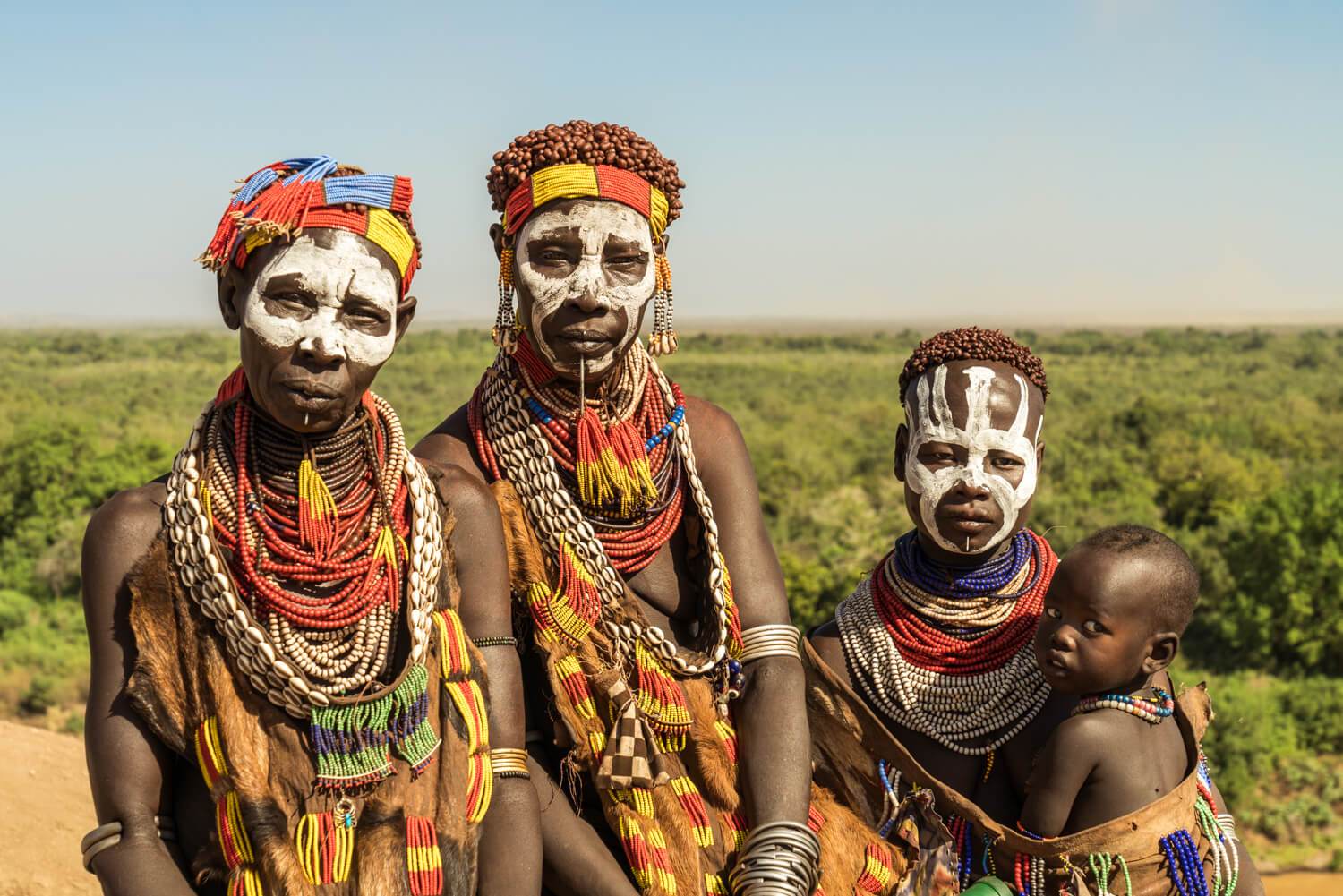
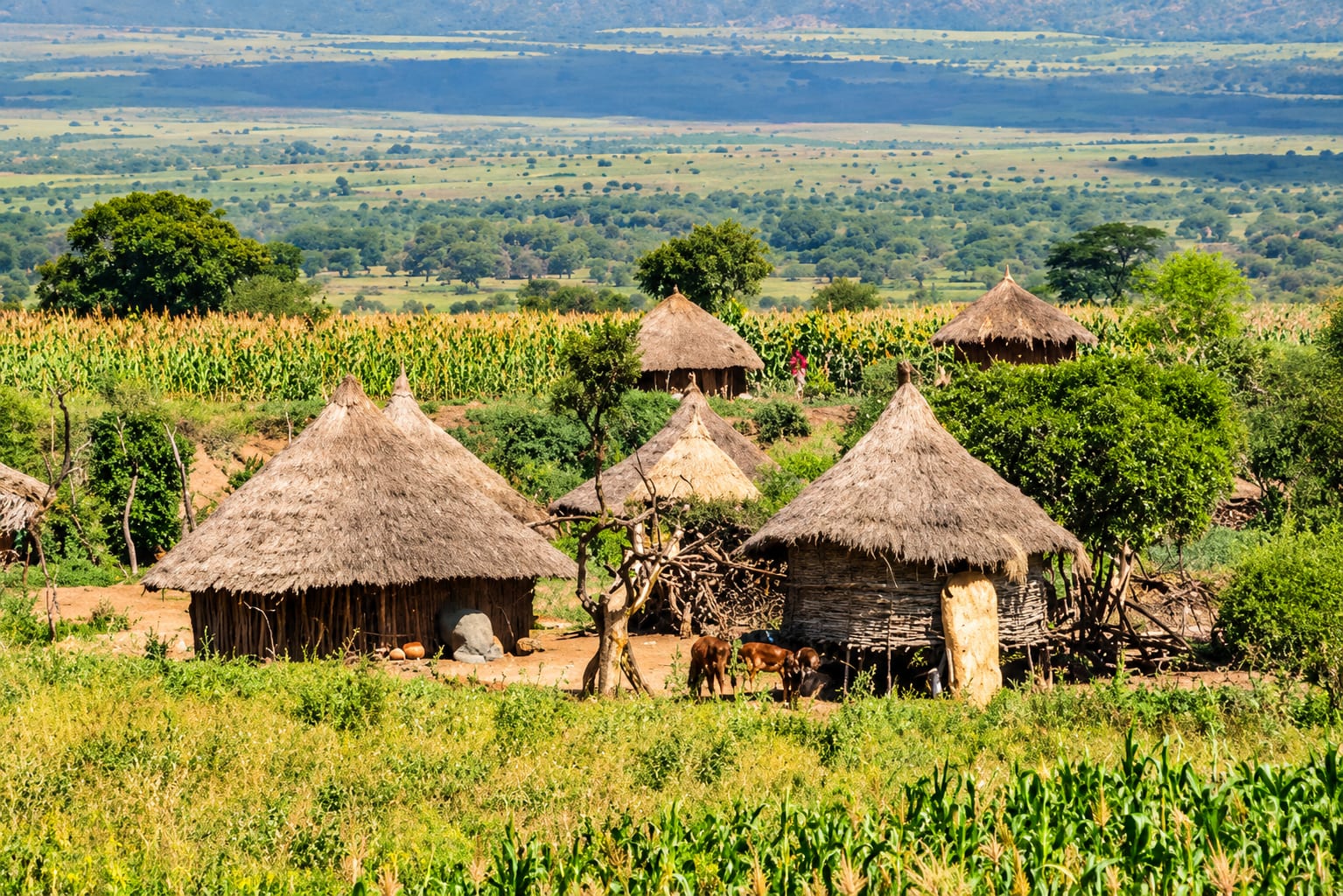
The Omo Valley, in Ethiopia’s far southwest near the borders of Kenya and South Sudan, is one of Africa’s most culturally diverse regions. More than a dozen communities live along the Omo River, each with its own language, dress, ceremonies and way of life. The lower valley is a UNESCO World Heritage Site for its fossil discoveries, and its living cultures are just as remarkable.
The Hamar are among the most visited peoples of the valley, known for women’s hair coated with ochre and butter, beadwork and a cattle-centred life. Their bull-jumping ceremony, in which a young man runs across the backs of cattle to prove his readiness for marriage, is one of Ethiopia’s most famous cultural events.
The Mursi are perhaps the most internationally recognised: many women wear clay lip plates as a symbol of beauty, maturity and identity, and body painting and scarification are important forms of expression. The Karo, a small community on the eastern bank of the Omo, are master body painters, using chalk, charcoal and coloured minerals to create extraordinary designs.
Further south, the Dassanech live near Lake Turkana, raising livestock and fishing in a harsh, arid landscape. The Ari, one of the largest groups, are farmers, potters and blacksmiths in the green hills around Jinka. The Banna, close relatives of the Hamar, are known for beadwork and dances, while the Nyangatom are semi-nomadic pastoralists with strong warrior traditions.
Across the valley, body painting with white chalk, red ochre, charcoal and plant pigments marks ceremonies and celebrations; scarification can signify beauty, status or achievement; and beads, shells, metal and leather often communicate age and marital status.
The Omo Valley can be visited year-round except during the main rains of April and May, when roads become difficult and villages harder to reach. Three or four days cover the main communities; five to seven allow a more complete experience; eight or more suit photographers and travellers seeking deeper immersion.
Responsible travel matters here more than anywhere. Always ask before photographing anyone, dress modestly, follow your local guide’s advice, support communities through fair, ethical tourism, and never treat culture as a performance. Visited thoughtfully, the Omo Valley is one of the most rewarding journeys in Africa.
Written by Zelalem, travel writer. Questions about any of the above are always welcome, write to us.
In This Article
Tours that visit Omo Valley
More From The Travel Journal
Also worth your time

Discover Ethiopia. Experience the Extraordinary!
Ready to see it for yourself?
Every essay here comes out of a journey we designed for someone. Tell us what you want yours to feel like.
Or call us directly on +251 912 039405